Bothaville Info

Maize Capital of South Africa

Bothaville. INFO

Situated in the north western Free State, at the meeting of the Vals and Vaal Rivers, the town of Bothaville is considered to be one of the top agricultural districts in the country.

Economy and Industry

With a population of 90,000, Bothaville’s economy thrives on grain, game farming, and light industrial manufacturing, including Karet trailers and agricultural implements. It serves as the headquarters for the Nala Local Municipality (including Wesselsbron) under the Lejweleputswa District. Currently, 95% of households have water access, and 65% have electricity.

Education and Healthcare

Schools: Home to Bothaville High School, a top-rated national Afrikaans school, and Eben Dönges Primary. The district includes three farm schools, while Kgotsong township offers six primary and five secondary schools.

Health: Facilities include one provincial hospital, three municipal clinics, four GPs, a dentist, and an optometrist.

Climate

Summer: Hot, up to 35°C, with afternoon thunderstorms; 500–600 mm annual rainfall.

Winter: Sunny but cold with frosty nights; August is known for heavy sandstorms.

About Us

Welcome to Bothaville: The Maize Capital of South Africa

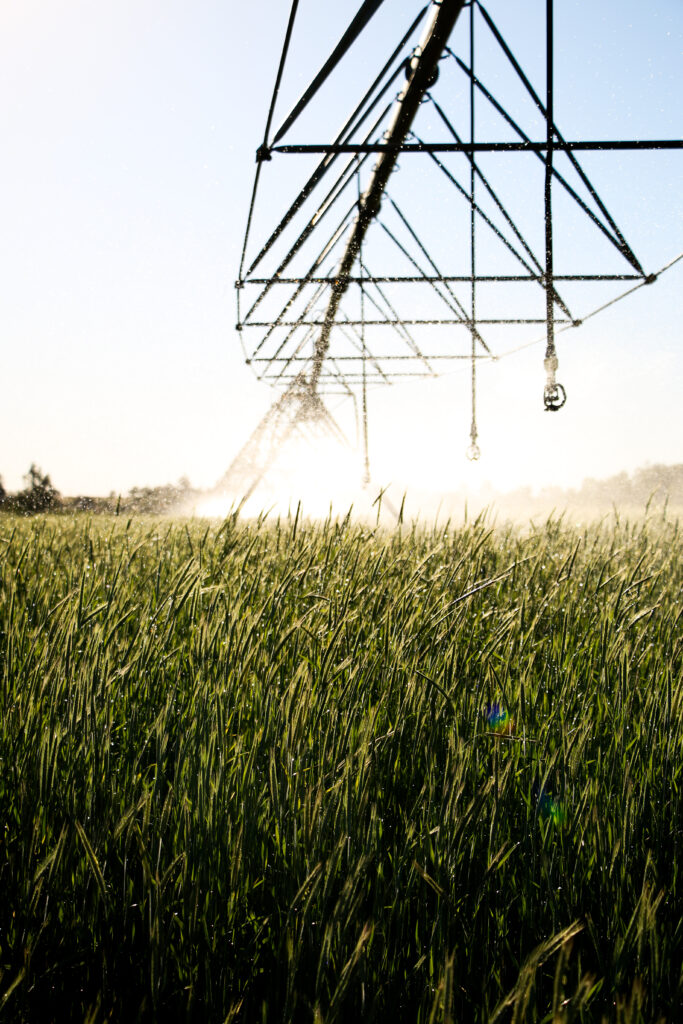
Located in the heart of the Free State’s Maize Quadrangle, Bothaville is more than just a rural town, it is the pulse of South Africa’s agricultural sector. As the official Maize Capital of South Africa, our district is a powerhouse of food production, specializing in maize, sunflower, sorghum, and peanuts.

Bothaville produces between 550 000 and 700 000 ton of maize annually. While famous for hosting the international NAMPO Harvest Day every May, the town is also a hub for exporting vegetables, roses, and livestock farming.

Bothaville Info Committee

  • Chairperson: Jackie Badenhorst

  • Treasurer: Sarie du Plooy

  • PRO & Guesthouses: Hanlie Mouton

  • Members: Liesl Ronga; Williams & Wilma van der Watt; Wim Conradie

Grain SA

Nampo Harvest Day

Grain SA’s NAMPO is recognized as one of the largest privately owned agricultural exhibitions in the southern hemisphere, occurring annually just outside Bothaville in the Free State province of South Africa.

The inaugural NAMPO Harvest Day took place in 1967 at the Donkerhoek farm, located near Bloemfontein, and attracted 200 producers. Subsequently, the Harvest Day was hosted at various farms until the growing scale of the event required a more stable location. Consequently, in 1974, the NAMPO Harvest Day was established at a permanent site outside Bothaville, which is now referred to as NAMPO Park.

NAMPO Park

Boereplanne Competition

Free Parking

Accredited Service Providers

WHERE TO STAY

Bothaville Info Guesthouse Service

The Guesthouse Service was established in 1995, as a result of a chronic shortage of accommodation during the main annual events held in Bothaville.

During that year the local hotel and a single guesthouse could offer accommodation to a mere 80 visitors, however, the Guesthouse Service managed to arrange additional accommodation with private home owners.

Golden Maize

Luxury private home and guesthouses…

White Maize

Private home and guesthouses…

Yellow Maize

Private home and guesthouses…

Green Maize

Shared rooms and hostels…

What we offer

The Country Meander tourism route

Often referred to as the Maize Meander, in Bothaville is an agricultural focused tourism route. It showcases the region’s status as the “Maize Capital of South Africa” and offers a mix of farming industry tours, historical sites, and eco-tourism.

Various attractions are to be found on these routes, such as:

  • Agricultural attractions – maize farms, as well as agro-processing
  • The Maize Capital Museum
    Environmental – outdoor and eco-sites

Another landmark is the Maize Capital Museum located at the Den Enkel Arcade. The museum contains a host of articles and artifacts from the rich history of Bothaville, which creates an invaluable collection and a rewarding experience. The Museum is open daily and forms an important link in the sights to be seen on the Country Meander.

The Meander will be enjoyed by young and old, locals and foreigners alike, and will be planned according to your specific requirements.

The Country Meander tourism route is available on request only. Bookings can be made through Bothaville Info, and an admin fee of R300.00 is payable.

Agricultural attractions on the Country Meander include the following:

  • NAMPO Harvest Day Farm
  • Maize & Cattle Farm
  • Senwes grain silos
  • Thuso Maize Mills
  • Yukon Vegetable Farm
  • Nut Processors
  • Egg Farms
  • Eendag Mills and many more.

Our history

The Rich Heritage of Bothaville

The history of the Bothaville area stretches back centuries, long before the town itself was established. The land was originally inhabited by the Bushmen, followed by the Leghoyo Tswana tribe, who settled in the region between the 15th and 17th centuries. In 1852, white settlers arrived to take up permanent residence, laying the groundwork for the agricultural hub the area would eventually become.

Founding and the Struggle for a Name

Bothaville was established in 1891 as a "Church town." However, its official identity was the subject of local debate. A group led by Johannes Rust attempted to name the town "Overwinning," but their efforts were ultimately unsuccessful. On June 1, 1893, the Free State People’s Assembly officially confirmed the name Bothaville. The town's early administration was led by PCJ Hauptfleisch, the first Justice of the Peace, and ACN Preller, who was elected as the first chairperson of the town council in 1894.

Architectural Landmarks and Early Infrastructure

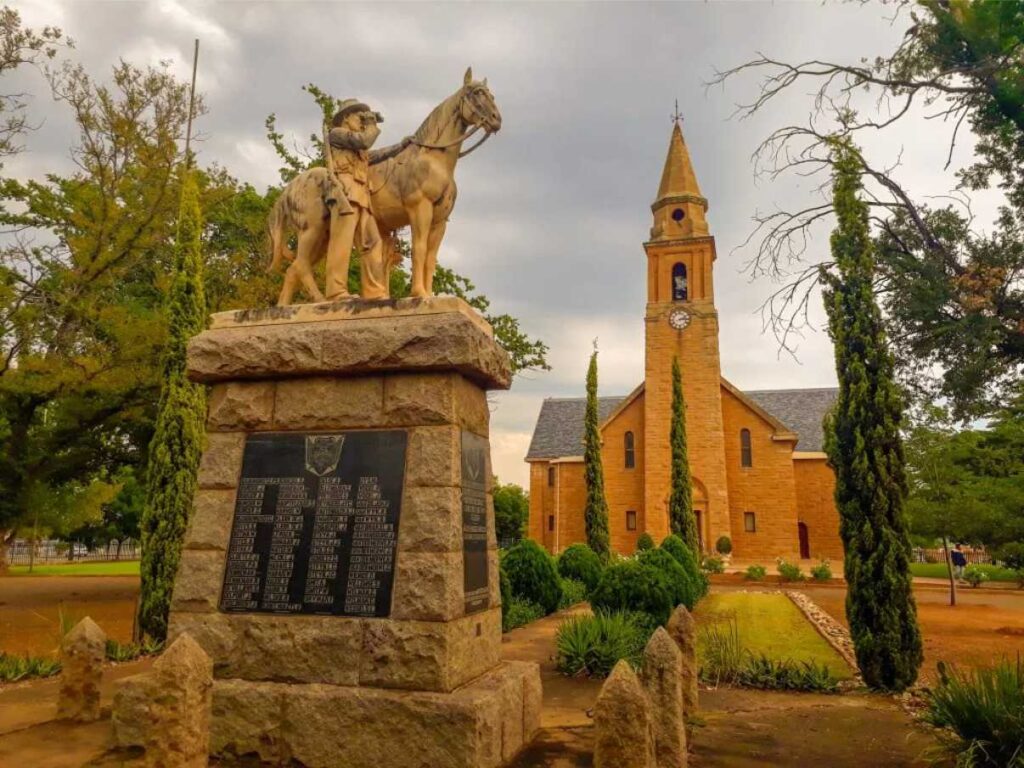
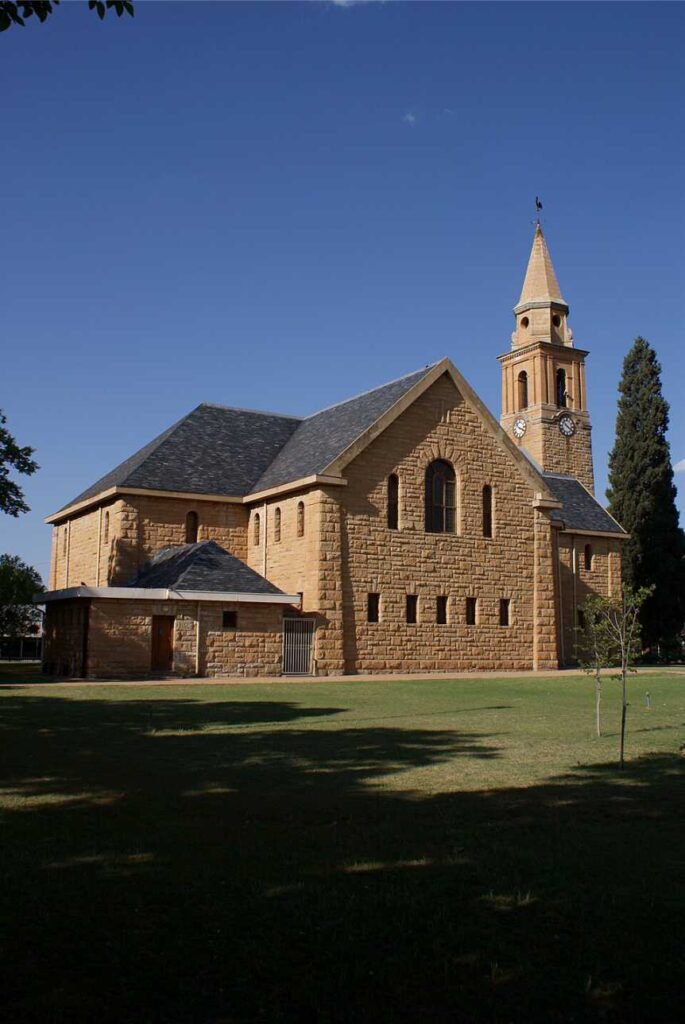
During the late 19th and early 20th centuries, Bothaville began to take physical shape through impressive sandstone architecture: 1894: A three-room sandstone building was erected in President Street for £62 to serve as a police station and prison. 1898: The beautiful Dutch Reformed parsonage was completed. 1913: The iconic sandstone Dutch Reformed church was built, designed by the renowned architect Gerhard Moerdyk. 1951: The graceful Town Hall was constructed (later declared a historical heritage building in 1995).

The Battle of Doornkraal (1900)

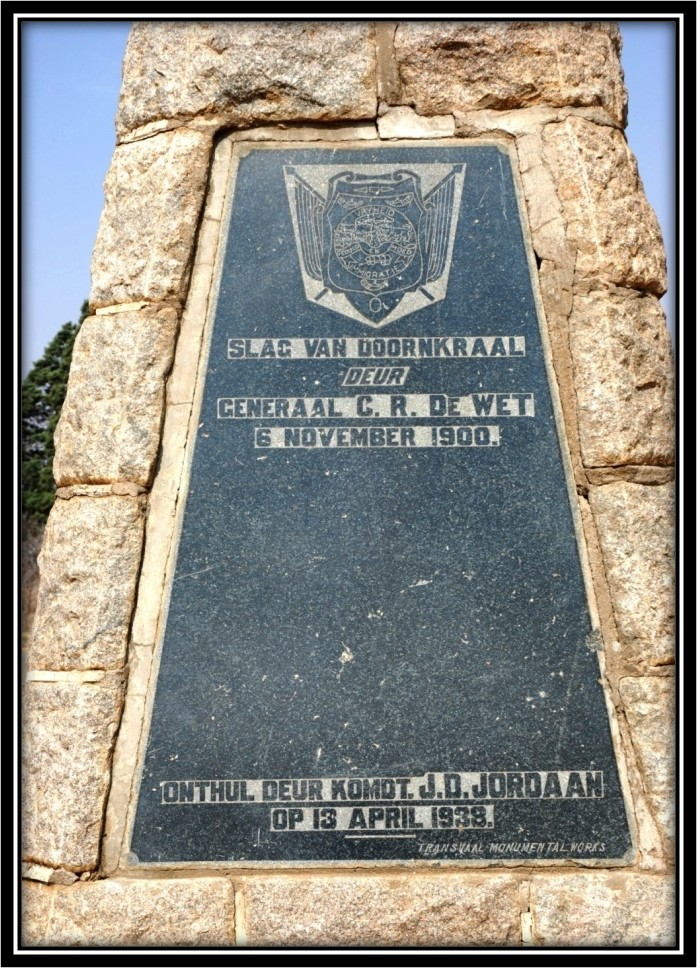
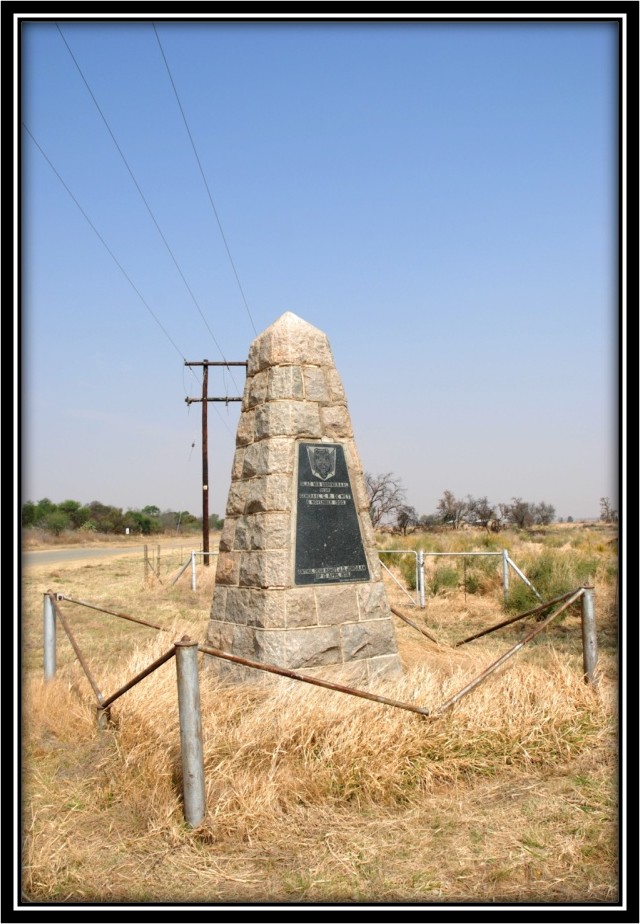
Bothaville holds a significant place in military history. On November 6, 1900, during the Anglo-Boer War, the nearby Battle of Doornkraal took place. It was a rare and surprising defeat for the famous Boer General Christiaan de Wet at the hands of British mounted infantry. Today, the Doornkraal Monument stands as a solemn memorial to the Boers who lost their lives in the surprise attack.

Architectural Landmarks and Early Infrastructure

During the late 19th and early 20th centuries, Bothaville began to take physical shape through impressive sandstone architecture:

  • 1894: A three-room sandstone building was erected in President Street for £62 to serve as a police station and prison.

  • 1898: The beautiful Dutch Reformed parsonage was completed.

  • 1913: The iconic sandstone Dutch Reformed church was built, designed by the renowned architect Gerhard Moerdyk.

  • 1951: The graceful Town Hall was constructed (later declared a historical heritage building in 1995).

The Battle of Doornkraal (1900)

  Bothaville holds a significant place in military history. On November 6, 1900, during the Anglo-Boer War, the nearby Battle of Doornkraal took place. It was a rare and surprising defeat for the famous Boer General Christiaan de Wet at the hands of British mounted infantry. Today, the Doornkraal Monument stands as a solemn memorial to the Boers who lost their lives in the surprise attack.

Growth, Gold, and the Maize Capital

Bothaville received municipal status in 1913, marking its transition into a commercial center for the district. The town’s economy was bolstered by:

  •  Technological Progress: The first telephone exchange was introduced in 1912, and a local aerodrome was inaugurated in 1939.
  • Regional Synergy: The booming goldfields economy in nearby Welkom during the mid-20th century provided a significant indirect boost to Bothaville’s local businesses.

  • Agricultural Renown: While the area began with diverse self-sustaining farming (stock, dairy, and bee-keeping), it was maize production that put Bothaville on the map.

In 1995, Mayor Ray Brink officially declared Bothaville the “Maize Capital of South Africa.”

Bothaville Today

  Modern-day Bothaville continues to thrive through the efforts of Bothaville Info (formerly the Maize Capital Forum). Through initiatives like the Country Meander Tourism Route and various social activity projects, the town continues to celebrate its history while building a vibrant future for residents and visitors alike.

Contact us

Office Hour